How to Create a Collected Home Without the Clutter
Blog
6 min read
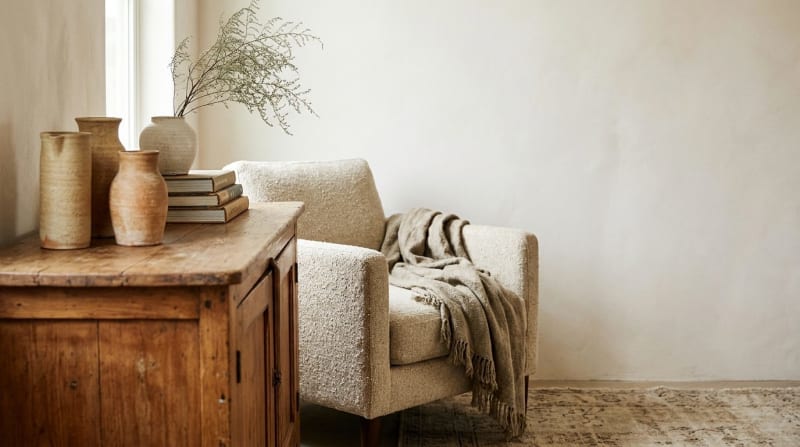
How can you display vintage finds without making your home feel cluttered? You achieve it by anchoring each space with a few textured focal points while leaving generous open margins around them so individual pieces can breathe. Rather than buying matched furniture suites or gathering novelty trinkets, building character relies on the patient layering of patinated woods, handmade accents, and woven textiles.
Sterile, uniform spaces often leave homeowners craving personality and warmth, but rushing to purchase decorative filler usually results in sensory fatigue. The curated Home Decor guides at Elegant Years emphasize personal expression over disposable showroom aesthetics. Cultivating an intentional interior simply requires treating empty space as a deliberate design choice rather than an unfinished chore.
Defining the Curated Living Space
A collected home aesthetic relies on the slow accumulation of aged, artisanal, and contemporary elements rather than items purchased in a single afternoon. This approach stands midway between cold showroom minimalism and chaotic, overfilled maximalism. Instead of displaying endless decorative accessories, this style balances time-worn character with purposeful negative space.
Interior designer Heidi Tate explains that slow decorating means thoughtfully curating a home over time rather than trying to furnish and complete every room at once. This deliberate patience prevents costly impulse purchases and allows living spaces to naturally reflect individual experiences. When rooms come together gradually, every object holds a clear relationship to the architecture surrounding it.
The physical foundation of this look rests on natural materials that reveal honest craftsmanship. Hand-thrown pottery, weathered timber, raw stone, and slubby linens introduce physical warmth without demanding visual dominance. When someone asked in a design forum how to make a home feel cozy while staying minimalist, responders recommended incorporating real wood, warm colors, and textured fabrics rather than sterile hard surfaces.
What Are the 2026 Home Decor Trends?
The dominant 2026 home decor trends center on restoring authentic character through layered textures, earthy color palettes, and collected-over-time styling rather than uniform perfection. Toronto-based designer Andrea Pierre notes that designers are moving away from uniform spaces toward restoring old character through varied, mix-and-match pieces that give rooms an authentic, lived-in depth. Sterile white rooms are being replaced by environments that showcase individuality and personal history.
Regional designers also report a notable pivot away from clinical palettes. Midwestern design professionals observe that stark white, minimalist interior design is rapidly declining as homeowners prioritize warm, inviting spaces featuring rich woods and earthy tones over clinical finishes. These richer materials absorb harsh daylight and create a grounded, settled atmosphere.
This shift values narrative and memory over rigid minimalism. In an international design forecast, interior styling trends emphasize gentle clutter and storytelling where ceramics, books, and art are gathered slowly and meaningfully instead of chasing pristine perfection. We cover these shifts toward tactile fabrics, layered rugs, and collected living spaces in our guide to 2026 living room decor trends.
Balancing Texture and Proportion Across Surfaces
Layering vintage pieces alongside modern furnishings begins with structural balance. When styling antique wood in modern homes, pair the visual weight of dark walnut or honey pine with slender, unadorned contemporary silhouettes. For example, placing an ornate provincial chest beneath a sleek, frameless mirror keeps the vignette grounded without darkening the room's sightlines.
Styling artisanal ceramics requires grouping rather than scattering. Instead of dotting single bud vases along every windowsill, assemble three vessels of varying heights and complementary glazes onto one low stone tray. This technique establishes a singular, sculptural focal point while keeping adjacent flat surfaces completely clear.
Soft textiles offer an efficient method for introducing warmth vertically and horizontally without claiming floor area. A vintage wool runner in a hallway softens hard flooring, while heavyweight linen drapery frames windows without requiring furniture adjustments. Incorporating bouclé throws or muted plaid cushions brings tactile comfort directly to sitting areas, leaving floors and tabletops open.
| Decor Element | The Cluttered Approach | The Curated Approach |
|---|---|---|
| Antique Wood | Placing multiple dark dressers and carved cabinets in one room | Balancing a single patinated oak chest with sleek modern lighting and bare wall space |
| Artisanal Ceramics | Scattering assorted small bud vases across every available surface | Clustering three complementary stoneware vessels on a single low wooden tray |
| Textiles & Rugs | Stacking contrasting throw pillows until seating is restricted | Layering one washed linen throw and an earthy, low-pile runner against neutral upholstery |
| Wall Decor | Hanging dense gallery walls composed of mismatched small frames | Showcasing a single oversized vintage landscape painting with generous margins |
Moving Past Mass-Produced Uniformity
Monochromatic interiors built exclusively around flat-pack furniture frequently produce an unsettling emotional detachment. When an entire living room arrives in cardboard boxes over a single weekend, the environment lacks human touch and physical dimension. Surrounding yourself with handcrafted items provides grounding comfort that factory-made goods cannot replicate.
Stoneware showing subtle wheel marks, hand-knotted wool, and wood tables bearing faint surface patinas remind us of the human hands that created them. These organic materials carry tactile permanence, making domestic spaces feel restorative rather than staged for a retail catalog. Practicing slow acquisition is also a sustainable, cost-effective strategy that spares homeowners the endless cycle of purchasing and discarding seasonal micro-trends.
Why Character Thrives on Negative Space
Many homeowners assume that cultivating depth requires styling every empty corner, bare wall, and display shelf. True warmth, however, relies directly on negative space to give special objects visual weight. Practicing warm minimalism means recognizing that empty tabletop surfaces are what allow a hand-carved bowl or bronze candlestick to register as art.
During an online exchange on keeping open shelves orderly, a participant suggested grouping items in twos or threes and leaving more empty space so the shelves have breathing room. Curating differs fundamentally from passive accumulation. A collected room showcases pieces selected with intention, while cluttered rooms merely store forgotten knickknacks out in the open.
To elevate your possessions from domestic noise into clear focal points, practice regular editing:
- Clear every surface in the room completely, placing small decor items, books, and lamps into a central holding area.
- Select your primary anchor, such as an antique wood console or an oversized stoneware vase, and return it to the room first.
- Group small accents in odd numbers, pairing items with contrasting textures like smooth glazed pottery alongside rough, untreated wood.
- Leave generous open margins across the surface, allowing surrounding air to separate functional pieces from decorative accents.
- Store or donate items that lack daily utility, tactile beauty, or personal history.
Knowing When to Edit Your Space
Your living area may need curation rather than new purchases if the room feels cold despite containing all necessary foundational furniture. Adding more pillows, side tables, or framed prints will not fix an ungrounded room: only texture and material balance can. Often, swapping two synthetic side tables for a single aged timber pedestal instantly warms the entire seating area.
Another clear indicator is visual exhaustion. If scanning your open shelving or coffee table creates subtle anxiety rather than calm, the space holds too many unrelated objects. Clearing away excess trinkets will bring instant clarity, restoring purpose to the pieces you choose to keep.
By pairing historic craftsmanship with disciplined negative space, you create an interior that balances character with tranquility. Learning how to balance antique treasures with clean contemporary lines removes the fear of overdecorating. The result is a home that feels both deeply personal and entirely unburdened.